


Fendi
Illustration by LuxMyx. This page contains affiliate links. We may earn a commission on purchases made through these links at no extra cost to you.
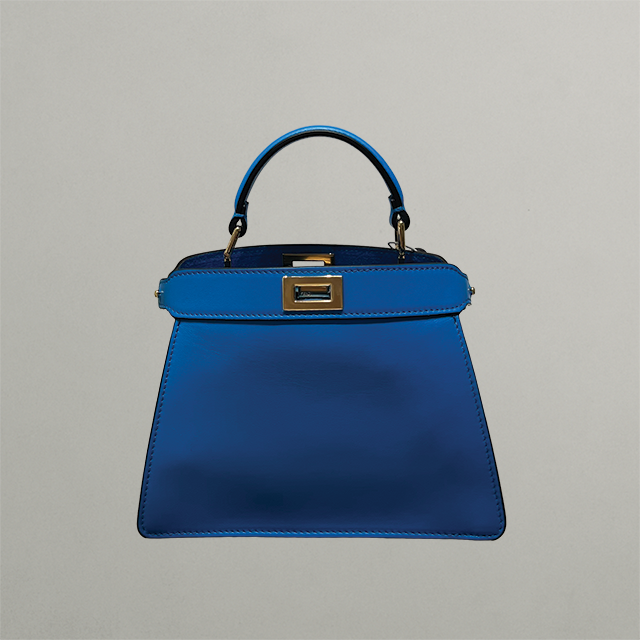
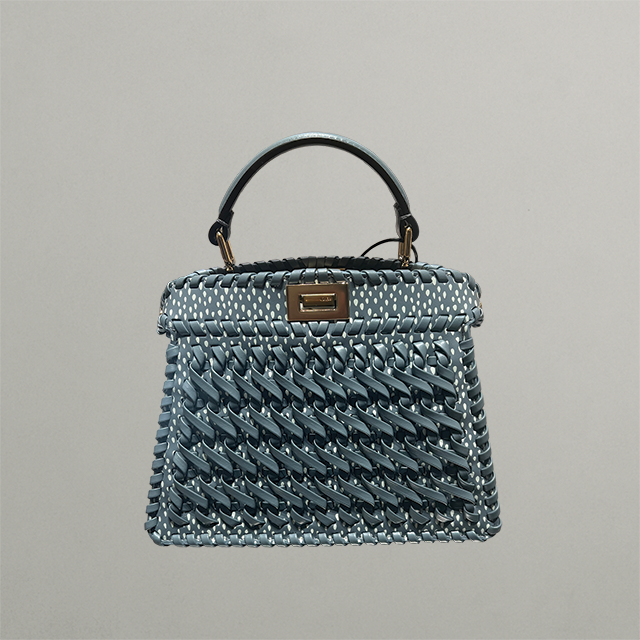
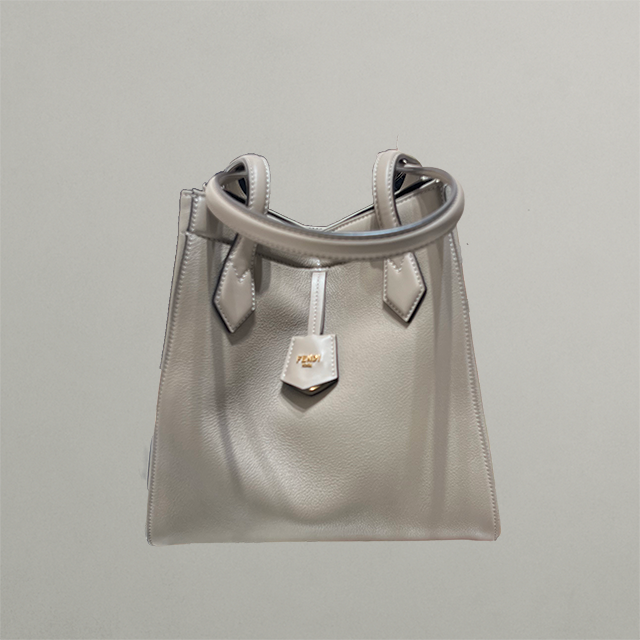
The Fendi luxury fashion brand is an Italian heritage house founded in Rome in 1925 by Adele and Edoardo Fendi as a leather goods and fur atelier. Known for leather craftsmanship, fur innovation, and distinctive handbag design, the brand gained international prominence under the creative direction of Karl Lagerfeld beginning in 1965. Today the Fendi brand operates within the LVMH luxury group and is positioned among major European fashion houses. Within handbags and leather goods, the brand is recognized for architectural silhouettes, distinctive hardware, and the iconic FF monogram motif designed by Lagerfeld. Notable models include the Baguette, Peekaboo, Sunshine Shopper, and Fendigraphy bag, which have become recurring signature pieces across multiple fashion cycles.
LuxMyx Trust Score
This is our LuxMyx Trust Score for the Fendi brand.The LuxMyx rating framework evaluates luxury brands across brand documentation, independent verification signals, and community sentiment.

Overall Score
Strong heritage craftsmanship and design identity supported by a large luxury parent group, with mixed transparency signals around supply chain verification.

Quality & Craftsmanship
The Fendi brand has a long reputation for leather craftsmanship and complex handbag construction.

Sustainability & Ethics
The Fendi brand participates in broader LVMH environmental initiatives and sustainability reporting frameworks.

Verification & Trust
Some supply-chain disclosures and certifications exist at the group level, though brand-specific transparency varies.
*Note: Overall LM is calculated across Brand Info, Verification, and Community; the icon ratings are component indicators and are not averaged.
Independence & Disclosure: LuxMyx evaluates brands using public information and community signals independent of commercial relationships. If you purchase through links on this page, LuxMyx may earn a commission at no additional cost to you.
Where to Buy
Notes on authentication / counterfeits: Due to the popularity of the Baguette and Peekaboo models, counterfeit items exist in secondary markets. Purchasing through official retailers or platforms with authentication policies may reduce risk.

 @selvaggia.may


Redirecting to brand page…
Community content reflects real-world use, styling, durability, and value perception. These signals provide context, not verification. We use it to add context, not to validate brand claims.
YouTube Reviews

 Fall Luxury Shopping — New Bags From Fendi, Suede Gucci, Shearling Loro Piana & Alaia + Schiaparelli
@MariaDraganova
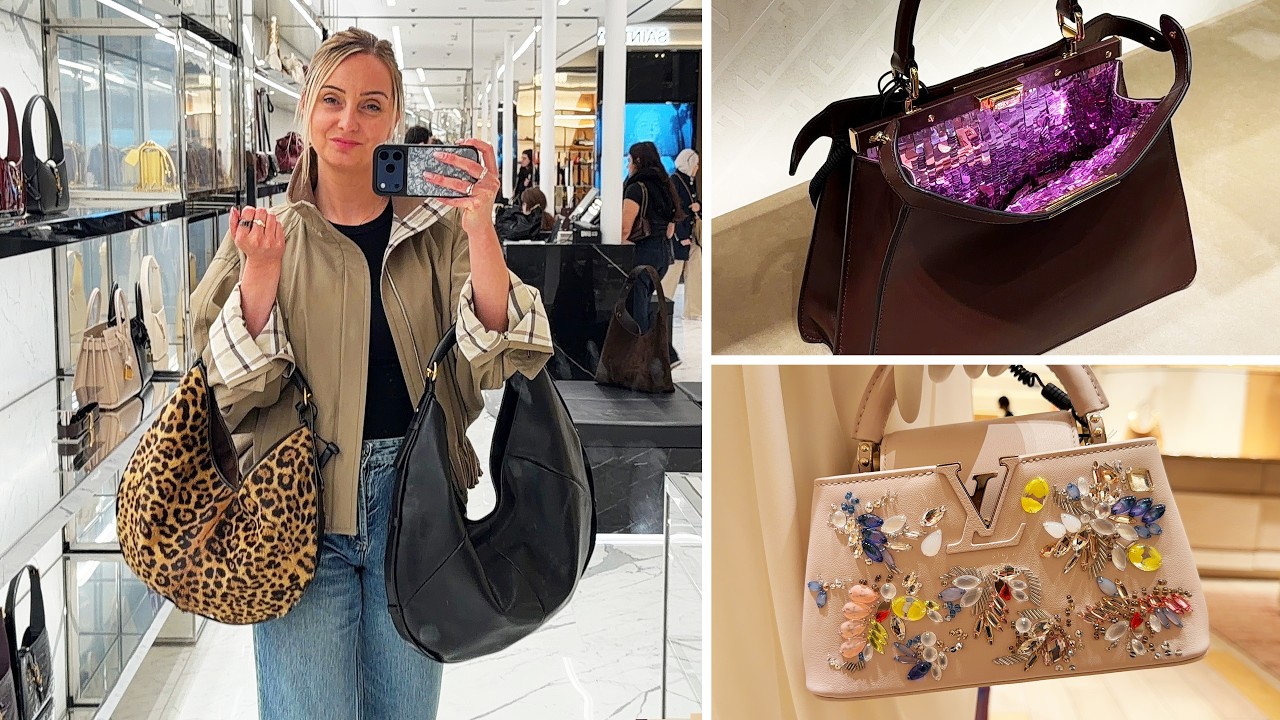
NEW BAGS LONDON LUXURY SHOPPING VLOG 2026 ft. LV, YSL, Fendi & More
@handbagholic
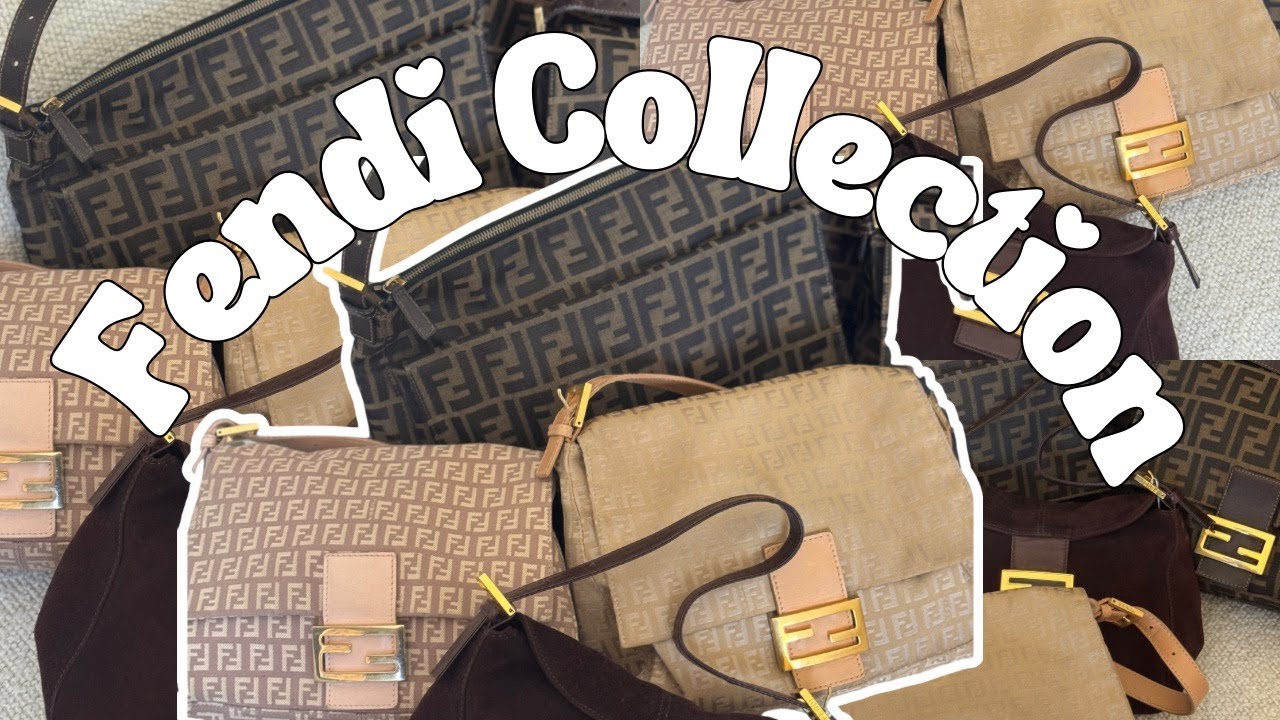
My Fendi Collection | Updated Haul!
@SomethingLatte
Independence & Disclosure
LuxMyx evaluates brands using publicly available information and community signals, independent of commercial relationships. If you purchase through links on this page, LuxMyx may earn a commission at no additional cost to you.
Last updated: April 2026
Website: Fendi
Classification: Heritage Luxury Fashion House
About: About Fendi
Social Media
Product & Design Signature
Design codes
- FF monogram pattern: Signature motif introduced by Karl Lagerfeld, used across canvas, jacquard, and leather.
- Structured, architectural silhouettes: Defined shapes and clean lines, seen in styles like Peekaboo and Sunshine.
- F-logo hardware and metal accents: Visible logo closures and hardware integrated into the design.
- Contrasting materials and textures: Mix of leather, canvas, jacquard, and embellished finishes for visual depth.
Pricing Range
- Bags & Totes: $1,600–$6,000+
- Accessories / Small Leather Goods: $350–$1,500
Limited editions, exotic skins, and runway releases may exceed typical price ranges. The Fendi brand sits within the upper luxury segment alongside other major European fashion houses.
Materials & Build
- Premium leathers and textiles: The Fendi brand uses calfskin, lambskin, FF canvas, and seasonal materials like raffia.
- Signature hardware finishes: Bags feature gold-tone and palladium hardware with logo detailing.
- Structured construction details: Defined paneling, edge finishing, and organized interiors.
Manufacturing & Origin
- Italy-led production: Primarily produced in Italy, with some European manufacturing.
- Heritage craftsmanship focus: Emphasis on artisanal techniques and in-house expertise.
- Limited factory-level disclosure: Minimal public detail on specific factories and suppliers.
Sustainability & Ethics
The Fendi brand operates within the LVMH Group’s LIFE 360 environmental framework, which sets targets across climate, biodiversity, circularity, and traceability.
- LVMH LIFE 360 alignment: The Fendi brand operates within LVMH’s framework covering climate, circularity, and traceability.
- Responsible sourcing and materials initiatives: The Fendi brand focuses on certified materials and circular design within LVMH programs.
- Supply chain and transparency (limited detail): The Fendi brand provides high-level disclosures on sustainability and sourcing, with limited supplier-level detail.
- Privacy Policy
Collaborations & Recognition
- Fendi × Versace (“Fendace”): Creative swap blending both brands’ design codes, launched in 2022. Learn more
- Fendi × Skims: Limited-edition capsule combining luxury ready-to-wear and shapewear (2021).
- Fendi × Tiffany & Co.: Baguette reinterpretation in Tiffany blue with silver hardware.
The Fendi brand shows strong Italian craftsmanship and LVMH oversight, but detailed supplier and impact-level verification remains limited.
Verification Summary
- Italy-centered production and craftsmanship: The majority of Fendi’s supply chain is based in Italy, supporting quality control and artisanal consistency.
- LVMH governance and standards: As part of LVMH, Fendi operates under group-wide environmental and sourcing frameworks, including traceability and responsible sourcing initiatives.
- Supplier code of conduct and audits: Suppliers are required to follow labor, safety, and environmental standards, with audits conducted through third-party organizations.
Independent Ratings
- Good On You: The Good On You platform rates Fendi “It’s a Start”, with stronger environmental signals but weaker labor and animal welfare performance.
- Ethical Consumer: No meaningful, publicly accessible brand-specific rating or detailed assessment is available for Fendi.
- Eco-Stylist: Assigns Fendi a 33/100 score, citing partial transparency and gaps in labor and environmental data.
Sustainability & Ethics
Fendi’s sustainability and ethics efforts are primarily communicated through LVMH group frameworks, with limited standalone, brand-specific disclosure.
- Pledge / goals: The Fendi brand aligns with LVMH LIFE 360 targets across climate, circularity, and traceability.
- Circularity / repair: Group-level focus on circular design and product lifecycle; limited Fendi-specific programs disclosed.
- Code of conduct: Supplier standards governed by LVMH Code of Conduct across all brands.
- Labor disclosures: Workforce policies and audits reported at the LVMH level.
Materials, Certifications & Transparency
The Fendi brand references responsible sourcing and environmental initiatives primarily through LVMH group frameworks, with some certification activity occurring at the supplier level.
- Supplier-level certifications: Standards such as LWG are applied at the tannery/supplier level.
- Responsible sourcing programs: Participation in LVMH-led initiatives focused on traceability, material sourcing, and environmental impact. Learn more
- Certified materials (textiles and fibers): About 73% of textiles are certified (e.g., GOTS, OCS).
- Animal material certification (Furmark®): Fur sourcing follows Furmark standards, with full certification reported.
- Material testing and compliance programs: Products are tested for restricted substances under LVMH standards.
- Traceability and supplier transparency (partial): Supply chain is largely Italy-based, with limited detail beyond Tier 1.
- Packaging certifications (FSC®): Paper packaging is FSC-certified and recyclable.
- Environmental reporting frameworks: Disclosures are primarily reported through LVMH sustainability frameworks.
- Limited brand-level disclosure: Detailed certification lists and supplier transparency remain limited.
Manufacturing & Labor Practices
Production is largely based in Italy, with artisanal techniques highlighted across core leather goods lines.
- Factory location confirmation: Production is largely based in Italy, supporting Made in Italy positioning.
- Evidence of artisanal production: Brand highlights handcraft techniques and leatherworking expertise across its products.
- Quality signals: Core handbag models remain in production over time, indicating consistent demand.
Circularity, Repair & Product Longevity
Fendi’s core styles maintain a consistent presence across major luxury resale platforms.
- Resale market presence: Widely available across major luxury resale platforms.
- Key resale platforms: The RealReal, Vestiaire Collective, Fashionphile, Rebag
- Model consistency in resale: Core styles like the Baguette and Peekaboo appear consistently in secondary markets.

Discover. Verify. Delight.
Discover brands vetted for authenticity, ethics, and excellence.
Level up your Luxury handbag knowledge with our latest insights. Join our mailing list.