


Givenchy
Illustration by LuxMyx. This page contains affiliate links. We may earn a commission on purchases made through these links at no extra cost to you.
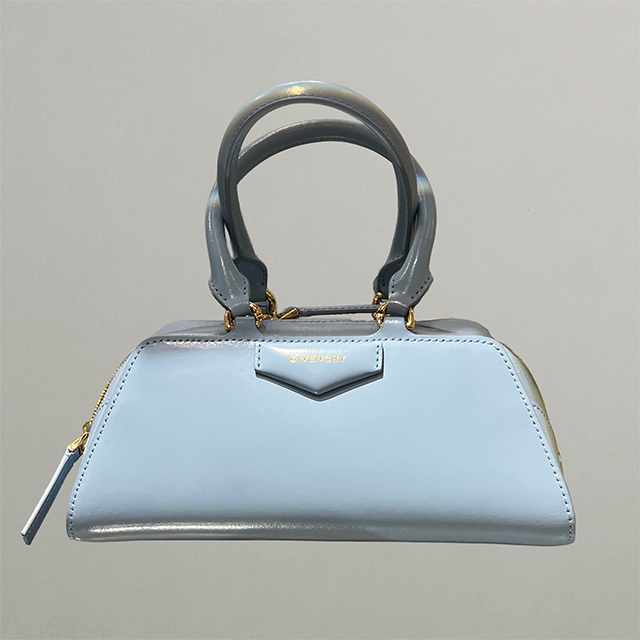
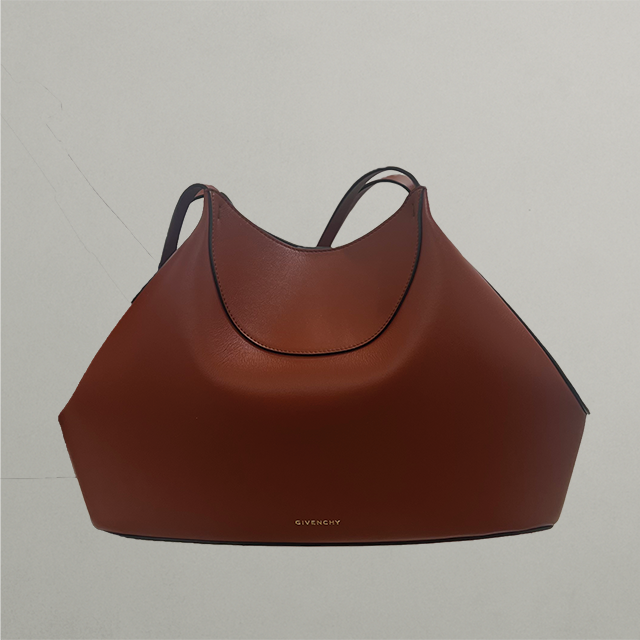
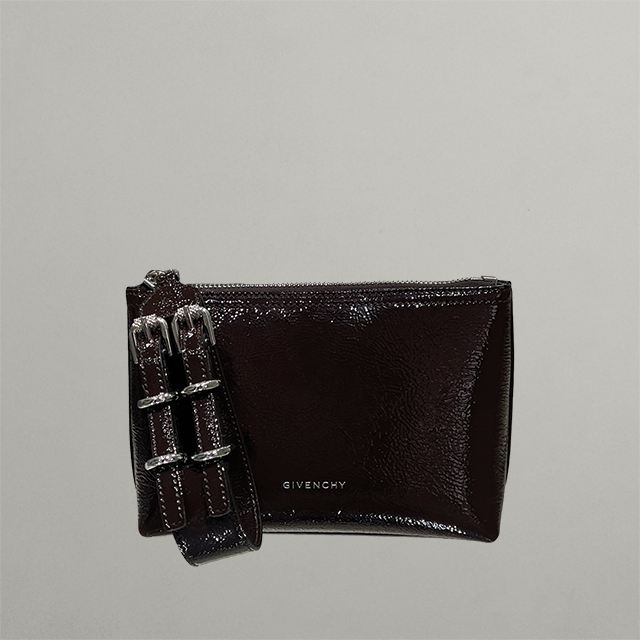
Founded in 1952, the Givenchy luxury fashion house is based in Paris, France and is known for combining couture heritage with modern, architectural design. Originally established by designer Hubert de Givenchy as a haute couture maison, the brand has grown into a global luxury label within the LVMH Fashion & Leather Goods division. Givenchy handbags are typically characterized by structured silhouettes, bold hardware, and visible branding that reflects the house’s modern Parisian aesthetic. Iconic models include the Antigona, Voyou, Pinch, Facet, and G-Tote, while earlier designs such as the Pandora and Nightingale remain widely recognized across the resale market.
LuxMyx Trust Score
This is our LuxMyx Trust Score for the Givenchy brand. We've created this rating to help you make a confident decision by weighing the brand’s heritage and craftsmanship signals against third-party sustainability assessments and publicly available supply-chain information.

Overall Score
Recognizable handbag designs and strong fashion-house heritage are clear, but publicly verifiable evidence of supplier transparency, material traceability, and audited production practices remains limited.

Quality & Craftsmanship
Structured leather silhouettes such as Antigona, Voyou, and Pinch suggest solid craftsmanship signals, though public documentation of workshop networks and manufacturing locations is limited.

Sustainability & Ethics
Environmental commitments are primarily communicated through LVMH group initiatives, while independent sustainability assessments cite limited transparency regarding supply-chain labor practices and material traceability.

Verification & Trust
Independent sustainability ratings exist, but product-level certifications, tannery sourcing, and factory audit cadence for handbags and leather goods are not clearly disclosed.
*Note: Overall LM is calculated across Brand Info, Verification, and Community; the icon ratings are component indicators and are not averaged.
Independence & Disclosure: LuxMyx evaluates brands using public information and community signals, independent of commercial relationships. If you purchase through links on this page, LuxMyx may earn a commission at no additional cost to you.
Where to Buy
Notes on authentication / counterfeits: Given the popularity of Givenchy handbags such as the Antigona, counterfeit versions appear across secondary marketplaces. Purchasing through Givenchy boutiques, authorized retailers, or verified resale platforms with authentication services reduces counterfeit risk.

 @breuninger


Redirecting to brand page…
Community content reflects real-world use, styling, durability, and value perception. These signals provide context, not verification. We use it to add context, not to validate brand claims.
YouTube Reviews

 Givenchy bag styled
@TamaraKalinic

Givenchy | Fall Winter 2025/2026 | Paris Fashion Week
@FFChannel_Official

GIVENCHY ANTIGONA MINI BAG UNBOXING & REVIEW
@SymphonyTaylor
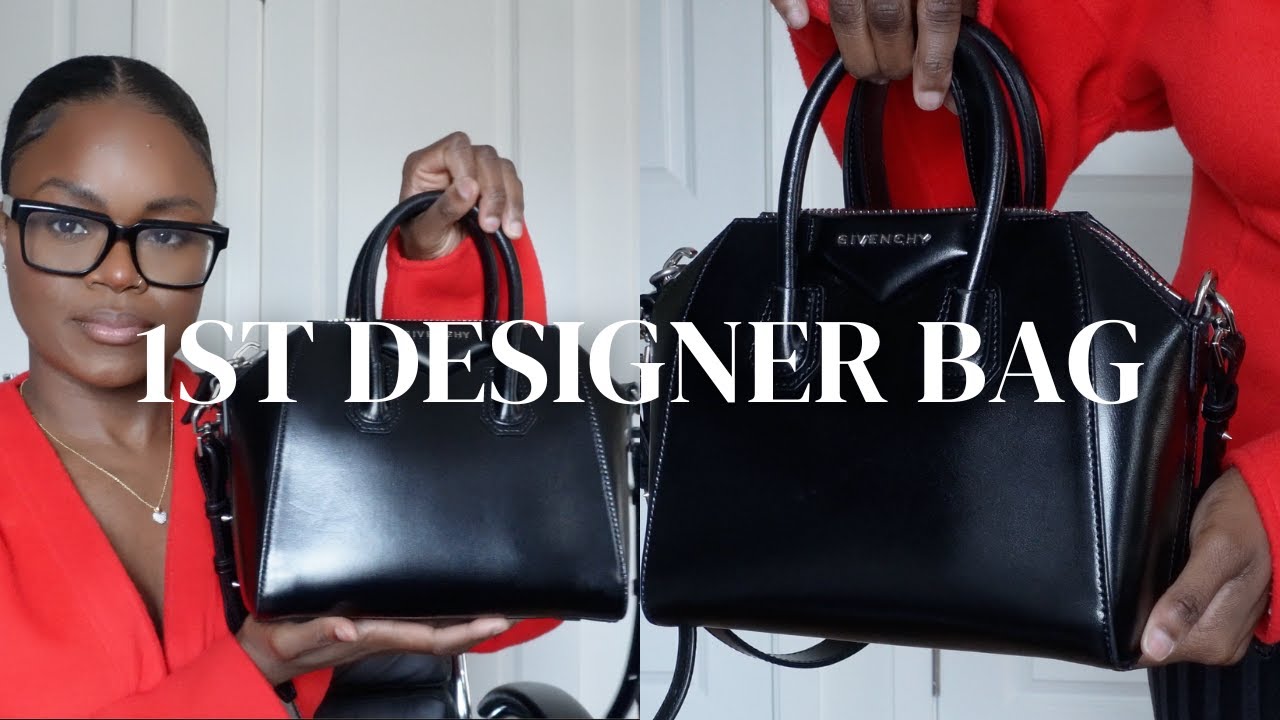
Luxury Bag Review | Givenchy Antigona
@NneniaYasmeen
Independence & Disclosure
LuxMyx evaluates brands using publicly available information and community signals, independent of commercial relationships. If you purchase through links on this page, LuxMyx may earn a commission at no additional cost to you.
Last updated: April 2026
Website: Givenchy
Classification: Heritage Luxury
About: About Givenchy
Social Media
Product & Design Signature
- Structured, architectural silhouettes such as Antigona and Pinch. Learn more
- Hardware-driven designs with adjustable straps and buckle details. Learn more
- Visible GIVENCHY lettering and 4G logo elements across select styles. Learn more
- Design codes: Structured vs. soft silhouettes, visible hardware, and a mix of bold and minimal branding depending on the model.
- Antigona: Structured silhouette, leather construction.
- Voyou: Soft structure, adjustable hardware.
Pricing Range
- Bags & Totes: $1,800–$3,500+
- Accessories: $300–$1,000
Materials & Build
- Primary materials: Givenchy handbags use premium leathers such as smooth calfskin and grained leather across core models, with material details specified at the product level.
- Hardware: Metal buckles, chains, and hardware elements are visible across handbag collections, particularly in styles such as Voyou, where hardware is integrated into the strap design.
- Notable construction / craft features: Structured satchel construction with reinforced shape (Antigona). Adjustable strap systems with buckle hardware (Voyou). Geometric silhouettes and panel construction across newer styles.
Manufacturing & Origin
- Public disclosure: Limited information. “Made in” details typically appear at the product level rather than in a centralized source. Givenchy
- Supply chain & materials context: Supplier standards and sustainability practices are primarily communicated at the LVMH group level.
Collaborations & Recognition
- Bstroy collaboration: Givenchy partnered with Bstroy on a limited capsule combining physical pieces with NFT-linked digital assets.
- Creative partnerships (Riccardo Tisci era): Under former creative director Riccardo Tisci, the Givenchy brand collaborated with artists and cultural figures across runway collections and celebrity styling, supporting brand image and cultural relevance rather than handbag-specific product lines.
Sustainability & Ethics
Environmental and social commitments related to the Givenchy brand are primarily communicated through LVMH sustainability frameworks and reporting.
- Pledge: Participation in LVMH group sustainability initiatives, including LIFE 360 and related climate and circularity targets.
- Circularity: No dedicated resale or circularity program specific to Givenchy handbags was identified; initiatives are primarily at the LVMH group level.
- Supply Chain: Disclosures focus on LVMH supplier standards, with limited brand-level transparency on factories, tanneries, or handbag sourcing.
The Givenchy brand publishes limited supplier and materials information for handbags and does not provide detailed, product-level traceability. LuxMyx treats sustainability disclosures and third-party ratings as supporting signals—not proof of brand-wide practices. Givenchy operates within LVMH group standards, where supplier requirements and audit frameworks are disclosed at the group level rather than the maison level.
Independent Ratings
- Good On You: The Givenchy brand is rated “Not Good Enough,” citing limited supply-chain transparency and continued reliance on animal-derived materials with limited traceability.
Sustainability & Ethics
Givenchy’s sustainability commitments are communicated primarily through LVMH group-level frameworks, with limited maison-specific disclosure.
- Pledge / goals: Environmental commitments are communicated through LVMH sustainability programs.
- Circularity / resale / repair: No dedicated resale or circularity program is disclosed for Givenchy handbags.
- Code of Conduct / ethics: LVMH supplier standards apply across all maisons.
- Audits & labor disclosures: Reporting is primarily at the LVMH group level, with limited brand-specific detail.
Materials, Certifications & Transparency
No brand-level certifications or consolidated supplier transparency were identified for Givenchy handbag operations.
- Certifications overview: No brand-level certifications such as B Corp, SA8000, or ISO 14001 were identified for Givenchy fashion operations.
- Leather sourcing / certification statement: Public disclosure of tanneries and traceable leather supply chains is limited; LVMH outlines group-level sourcing and standards without maison-level detail.
Manufacturing & Labor Practices
Factory and workshop documentation for Givenchy handbags is not publicly available in detail.
- Factory location confirmation: Public factory lists for Givenchy handbags were not identified.
- Evidence of artisanal methods / production claims: Craftsmanship is referenced in brand messaging, but detailed workshop documentation is limited.
- Warranty / repair information: No dedicated warranty or repair program is publicly detailed for Givenchy handbags.
Circularity, Repair & Product Longevity
Givenchy handbags maintain consistent resale presence across major platforms, with core models such as Antigona appearing broadly rather than as scarcity-driven listings.

Discover. Verify. Delight.
Discover brands vetted for authenticity, ethics, and excellence.
Level up your Luxury handbag knowledge with our latest insights. Join our mailing list.