


Hermès
Illustration by LuxMyx. This page contains affiliate links. We may earn a commission on purchases made through these links at no extra cost to you.
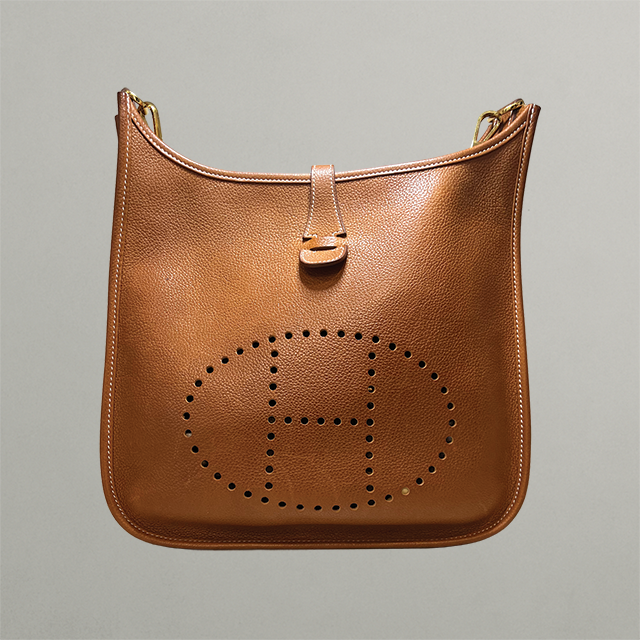
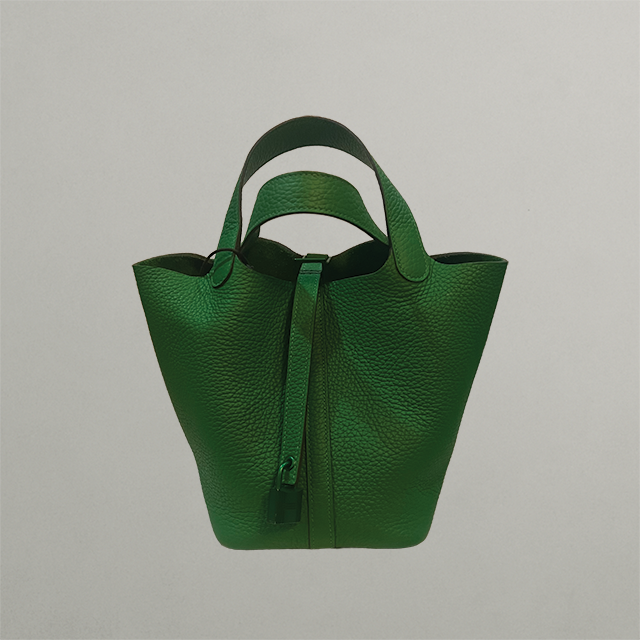
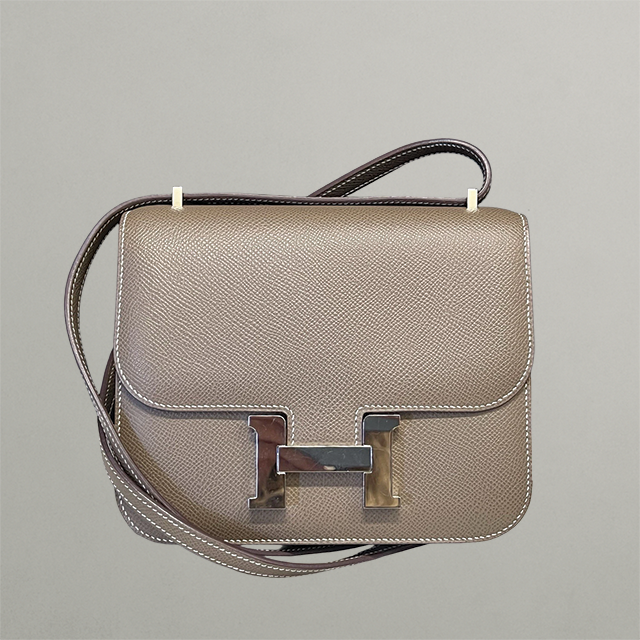
Founded in 1837, the Hermès luxury brand is based in Paris and is widely associated with artisanal leather goods, equestrian heritage, and limited-production handbags. Originally a harness and saddlery workshop serving European carriage owners, the Hermès brand gradually expanded into leather goods, silk scarves, ready-to-wear, watches, and home objects.
Within handbags, the Hermès brand is known for structured silhouettes, hand-stitched construction, and tightly controlled distribution. Iconic models such as the Birkin, Kelly, and Constance are produced by trained artisans in dedicated workshops in France. The brand’s approach emphasizes longevity, craftsmanship, and restrained design rather than rapid seasonal turnover.
The Hermès brand is also frequently cited in resale and auction markets for the strong secondary-market demand of certain handbags, particularly the Birkin and Kelly lines.
LuxMyx Trust Score
This is our LuxMyx Trust Score for the Hermès brand. We created this rating to help consumers weigh the brand’s craftsmanship and philosophy against independent verification and community signals.

Overall Score
Strong evidence of craftsmanship and resale demand, with some transparency gaps in supplier-level disclosures.

Quality & Craftsmanship
Extensive evidence of hand-crafted construction and artisan training.

Sustainability & Ethics
Science-based climate targets and durability emphasis, but limited independent labor transparency.

Verification & Trust
Strong third-party coverage and resale evidence, with incomplete supplier-level disclosure.
*Note: Overall LM is calculated across Brand Info, Verification, and Community; the icon ratings are component indicators and are not averaged.
Independence & Disclosure: LuxMyx evaluates brands using public information and community signals independent of commercial relationships. If you purchase through links on this page, LuxMyx may earn a commission at no additional cost to you.
Where to Buy
Notes on authentication / counterfeits:
Hermès handbags are frequently counterfeited, particularly popular models such as the Birkin and Kelly. When purchasing pre-owned bags, buyers may wish to consider platforms that:
- Authenticate items before listing
- Offer return policies
- Provide provenance documentation for rare bags
Auction houses and established resale platforms typically provide stronger authentication processes than peer-to-peer marketplaces.
Hermès Bag Comparison
(Birkin vs Kelly vs Constance)
The Hermès brand produces several handbag families that are frequently referenced by collectors and resale platforms. Three of the most recognized models are the Birkin, Kelly, and Constance. While each design reflects the brand’s emphasis on leather craftsmanship, their structure, closure systems, and typical use cases differ.

 @savinachow


Redirecting to brand page…
Community content reflects real-world use, styling, durability, and value perception. These signals provide context, not verification. We use it to add context, not to validate brand claims.
YouTube Reviews

 The ONLY Designer Bag Brands Worth Buying ft. @tanner.leatherstein
@handbagholic

Hermès and the success of the coveted Birkin bag | 60 Minutes
@60minutes
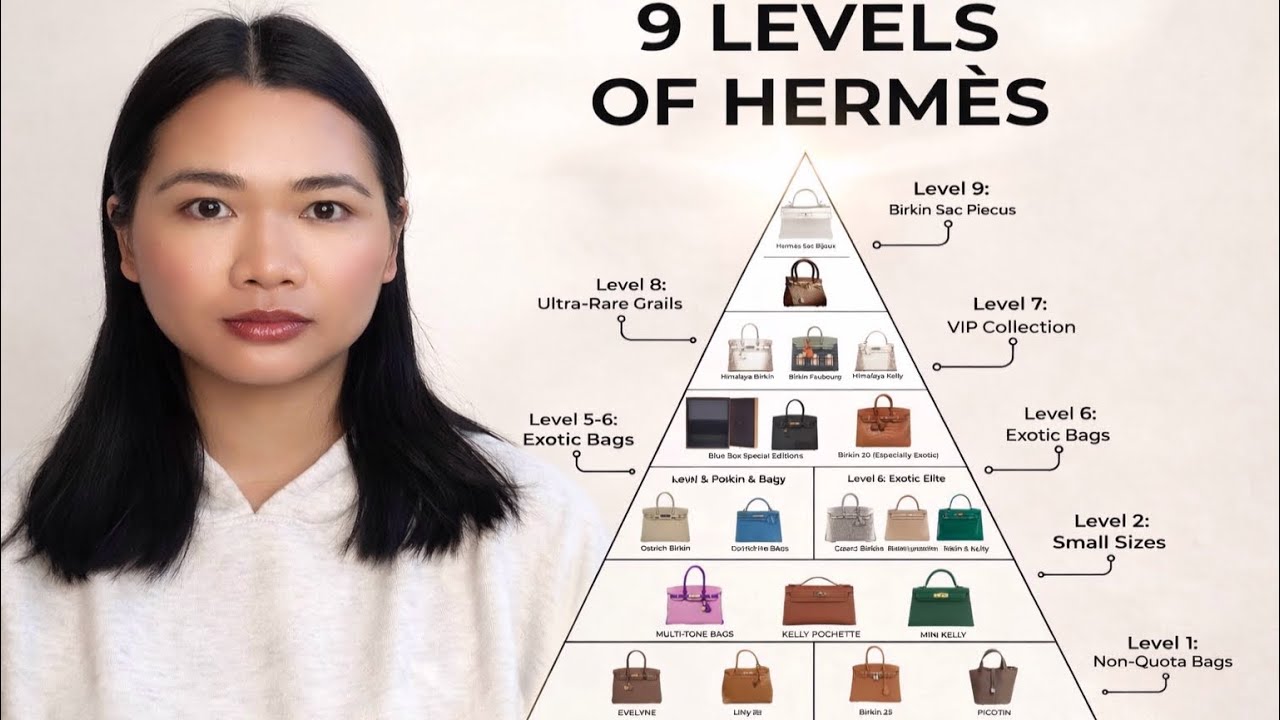
The 9 Levels of Hermès Bags: From Entry to Ultra-Elite Status
@shinepoezune24

WHAT TO BUY AT HERMES JANUARY 2026 | NEW Hermes Bags Spring / Summer 2026: Hermes Shopping Tips
@IamGPS

Have you ever seen these world’s most expensive birkins?
@LoveLuxury

Hermès Picotin 22 Review 2025: Is It Worth It? Honest Pros & Cons + Investment Analysis
@margotlourobam

What does Hermes ACTUALLY sell? A closer look into astronomical price tags of the luxury legend
@tanner.leatherstein

Avoid These Mistakes! What Hermes Leather to Buy. Ultimate Hermes Leather Guide
@CalebSnel
Independence & Disclosure
LuxMyx evaluates brands using publicly available information and community signals, independent of commercial relationships. If you purchase through links on this page, LuxMyx may earn a commission at no additional cost to you.
Last updated: April 2026
Website: Hermès
Classification: Heritage luxury house (ultra-luxury craftsmanship)
About: About Hermès
Social Media
Product & Design Signature
- Structured leather handbags with minimal external branding: Clean, structured silhouettes with limited visible logos across core handbag lines.
- Saddle stitching (“point sellier”): Hand saddle stitching applied by a single artisan using traditional techniques.
- Signature hardware: Closures include the Kelly turn-lock and Constance “H” clasp, serving both functional and design roles.
- Equestrian references: Details reflect equestrian origins, including clochette elements and the perforated “H” motif on the Evelyne.
Pricing Range
Hermès handbags span a wide range depending on model, size, and leather type.
- Non-quota leather models: approx. $2,500–$4,000+
- Core leather handbags: approx. $6,000–$10,000+
- Signature structured models: approx. $10,000–$13,000+
- Quota bags (Birkin, Kelly): approx. $12,000–$15,000+
Materials & Build
- Primary Materials: Togo (grained calfskin), Epsom (embossed calfskin), Clemence (grained bovine leather), Swift (smooth calfskin), Chevre (goatskin), and limited-use exotic skins such as crocodile and ostrich.
- Hardware: Metal hardware typically finished in palladium or gold-tone plating, depending on the model and configuration.
- Notable features: Hand saddle stitching, single-artisan construction for many leather goods, and a focus on long product life supported by repair services. Hermès Materials & Supply Chains — L’École Hermès des savoir-faire
Manufacturing & Origin
- Manufacturing locations: Leather goods are primarily produced in France across a network of dedicated workshops, including recent openings in Riom (2024) and L’Isle-d’Espagnac (2025).
- Artisan training: The École Hermès des savoir-faire provides formal training programs for leather artisans and supports the development of in-house craftsmanship.
- Repair and maintenance: Hermès offers repair services through its boutiques, including cleaning, conditioning, and restoration performed by trained artisans.
Collaborations & Recognition
- Architectural collaboration: Collaboration with Lina Ghotmeh on the Hermès Louviers workshop.
- Workshop design recognition: Leather goods workshops have received recognition for environmental and architectural design.
- Industry coverage: Frequently covered in luxury and industry press for its artisanal production model.
Sustainability & Ethics
The Hermès brand frames sustainability primarily around durability, repairability, and long product life.
- Pledge: The company has science-based climate targets to reduce emissions relative to a 2018 baseline.
- Circularity: Repair services and product longevity are emphasized rather than formal take-back programs.
- Supply Chain & Artisan Partnerships: Works with specialized suppliers and maintains in-house artisan training programs.
- Privacy Policy
The Hermès brand publishes sustainability reports and supply chain disclosures, including environmental and materials-related initiatives. LuxMyx treats these disclosures as supporting signals rather than proof of consistent, brand-wide practices. Independent verification varies by category, with stronger external validation in craftsmanship and resale markets than in labor and animal-welfare transparency.
Verification Summary
- The brand publishes environmental and supply chain disclosures through CSR and annual reports.
- The brand operates formal artisan training programs in France through the École Hermès des savoir-faire.
- Certain Hermès handbags demonstrate sustained demand in secondary markets and auction platforms.
- Independent sustainability ratings indicate more limited transparency in labor practices and animal welfare.
Independent Ratings
- Good On You: Hermès is rated “It’s a Start” with stronger performance in environmental areas and more limited transparency in labor and animal welfare.
- Green Digest: Impact score of approximately −0.59 across selected UN Sustainable Development Goal (SDG) metrics.
Sustainability & Ethics
Hermès sustainability disclosures reflect a mix of brand-reported and independently assessed metrics.
- Independent sustainability analysis: External analysis indicates mixed performance across environmental and social impact metrics.
- Climate disclosures and targets: The Hermès brand reports emissions reduction targets aligned to a 2018 baseline and has demonstrated progress in Scope 1 and 2 reductions.
Materials, Certifications & Transparency
Supplier certifications and sourcing disclosures cover key raw material categories.
- Supplier certifications: Hermès reports that leather-goods suppliers participate in certification programs such as the Leather Working Group (LWG).
- Supply chain transparency: Hermès publishes information on raw material sourcing and supplier relationships, including long-term partnerships with specialized leather suppliers.
Manufacturing & Labor Practices
Hermès operates leather workshops in France and trains artisans through its internal school.
Circularity, Repair & Product Longevity
Certain Hermès handbags have demonstrated strong resale demand in secondary markets.

Discover. Verify. Delight.
Discover brands vetted for authenticity, ethics, and excellence.
Level up your Luxury handbag knowledge with our latest insights. Join our mailing list.